The Living Room Is the Launchpad: Seven Acts That Turned Local Residencies Into a National Brand

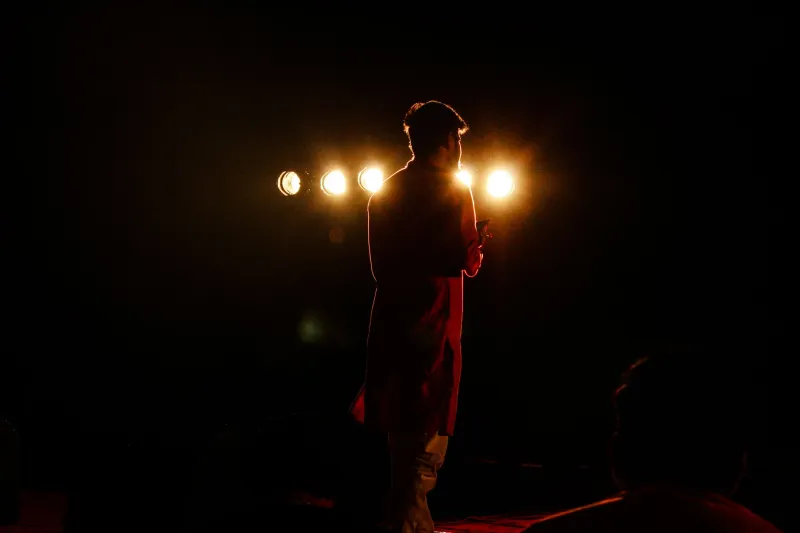
Photo: intimate hometown concert venue crowd, via i.pinimg.com
The music industry loves a big bang: the viral clip, the late-night debut, the arena announcement. But plenty of durable careers are built in smaller rooms, on the same night, in the same city, year after year. A residency gives an artist a laboratory, a home crowd, and a story that fans can join in progress.
These seven acts are not identical. Some are bands, some are solo performers, and some are regional institutions. What they share is a willingness to make local repetition part of the brand. They built intimacy first, then let the wider audience come to them.
1. Yo La Tengo: Hanukkah at Maxwell's
Yo La Tengo's Hanukkah run at Maxwell's in Hoboken, New Jersey, is the template for the hometown residency as a cult event. The band is tied to the venue's history, the shows are intimate, and the format is repeatable without being routine. Fans know the room. The room knows the band. That shared history gives the performances a sense of occasion that a generic tour stop cannot match.
The lesson is not that every artist needs a holiday gimmick. It is that a recurring local show can become a brand asset. It tells fans where to find you, what kind of night to expect, and why the relationship matters.
2. The Hold Steady: Brooklyn Bowl Nights
The Hold Steady has made recurring Brooklyn Bowl shows feel like a annual gathering for a certain kind of devoted fan. The band's catalog is built for communal singing, and the venue's layout rewards that. The shows are not arena spectacle. They are bar-band communion with a sharper literary edge.
That repeatable format has traveled. Fans travel to it. The residency becomes a destination, not just a date on a routing sheet. It also gives the band a reliable home base in a market where many touring acts are just passing through.
3. Wilco: Winterlude in Chicago
Wilco's Winterlude run in Chicago has functioned as a hometown victory lap and a creative reset at the same time. The band can stretch out, change setlists, and treat the run as a conversation with the city that helped build it. For fans, the appeal is not just the songs. It is the sense of being in the room for a band's ongoing story.
A residency like this lets an established act be local again. That is harder than it sounds. It requires a venue, a audience, and a band willing to make the repeat performances feel like chapters rather than reruns.
4. Andrew Bird: Gezelligheid in Chicago
Andrew Bird's Gezelligheid shows at Fourth Presbyterian Church in Chicago are a different model: site-specific, seasonal, and almost anti-spectacle. The setting does much of the work. The performances are quiet, precise, and built around the room's acoustics and atmosphere.
That kind of residency can become a personal brand because it is not easily copied. It is not just a concert. It is a ritual with a location. Fans return for the feeling as much as the setlist, and the format gives Bird a way to be intimate at a scale that still feels sustainable.
5. Jason Isbell and the 400 Unit: The Ryman Residency
Jason Isbell and the 400 Unit's recurring Ryman Auditorium shows in Nashville have become a kind of annual state of the union for the band and its audience. The Ryman carries its own history, and Isbell's songs carry enough narrative weight to fill it. The residency lets the band treat Nashville as home base rather than a tour stop.
That matters for brand-building. A residency can signal that an artist belongs somewhere. It gives fans a pilgrimage. It also gives the performer a chance to test new material, bring out guests, and make each night feel like part of a larger conversation.
6. The Avett Brothers: New Year's Eve in the Carolinas
The Avett Brothers have built a New Year's Eve tradition in the Carolinas that functions as both hometown celebration and fan gathering. The shows are big enough to matter, but they are still tied to a specific regional identity. That combination is powerful: it feels like a party you were invited to, not a product you bought.
A recurring date on the calendar can do more for a career than a one-off viral moment. It creates anticipation, habit, and a sense of continuity. Fans plan around it. The band gets a reliable anchor in a crowded touring year.
7. Greensky Bluegrass: New Year's in Kalamazoo
Greensky Bluegrass has made its New Year's run in Kalamazoo, Michigan, part of its identity. The band came up in that region, and the shows retain a sense of local loyalty even as the audience has grown. The format is simple: a repeatable annual event in a place that helped make the band.
That simplicity is the point. A residency does not need a massive production or a celebrity guest list. It needs a reason to return, a room that feels like yours, and a crowd that knows the songs. The national brand grows out of that local night, one year at a time.
The common thread is not nostalgia. It is repetition with purpose. These acts found a way to make the same room feel like a different chapter every time. That is how a local night becomes a national story.