No Encore, No Filler: The Case for the 75-Minute Concert
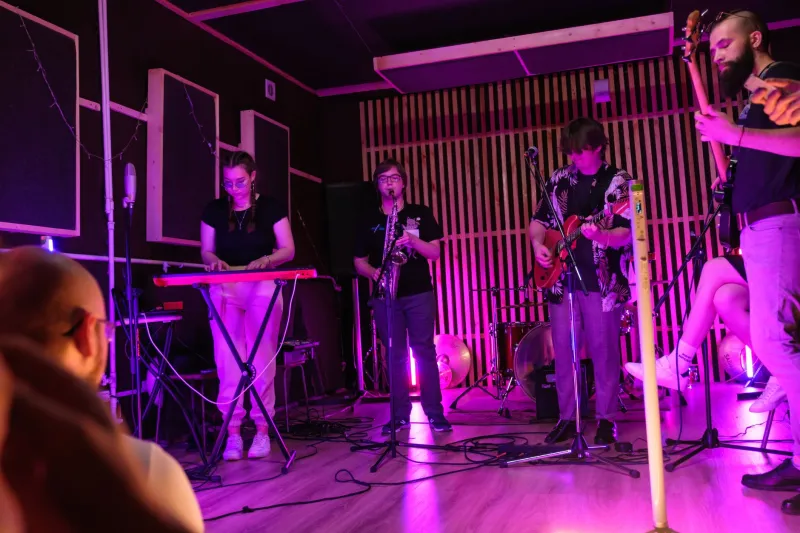
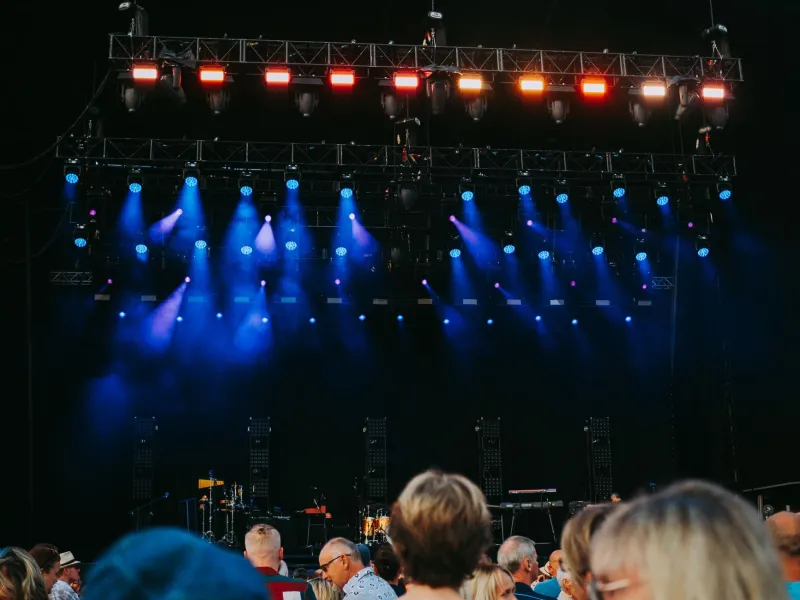
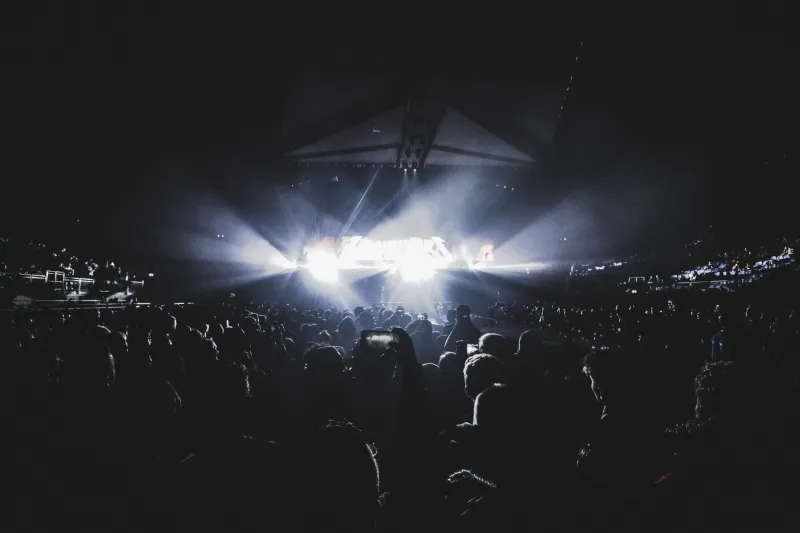
Shorter headline sets are showing up across US tours, and the reaction is split. The real question is not whether 75 minutes is enough — it is whether the show earns the time it takes.
Where Every Performance Tells a Story
Shorter headline sets are showing up across US tours, and the reaction is split. The real question is not whether 75 minutes is enough — it is whether the show earns the time it takes.
Not every career gets built on a viral clip. These seven acts used recurring hometown and regional residencies to create intimacy, loyalty, and a repeatable live format that traveled far beyond the local room.
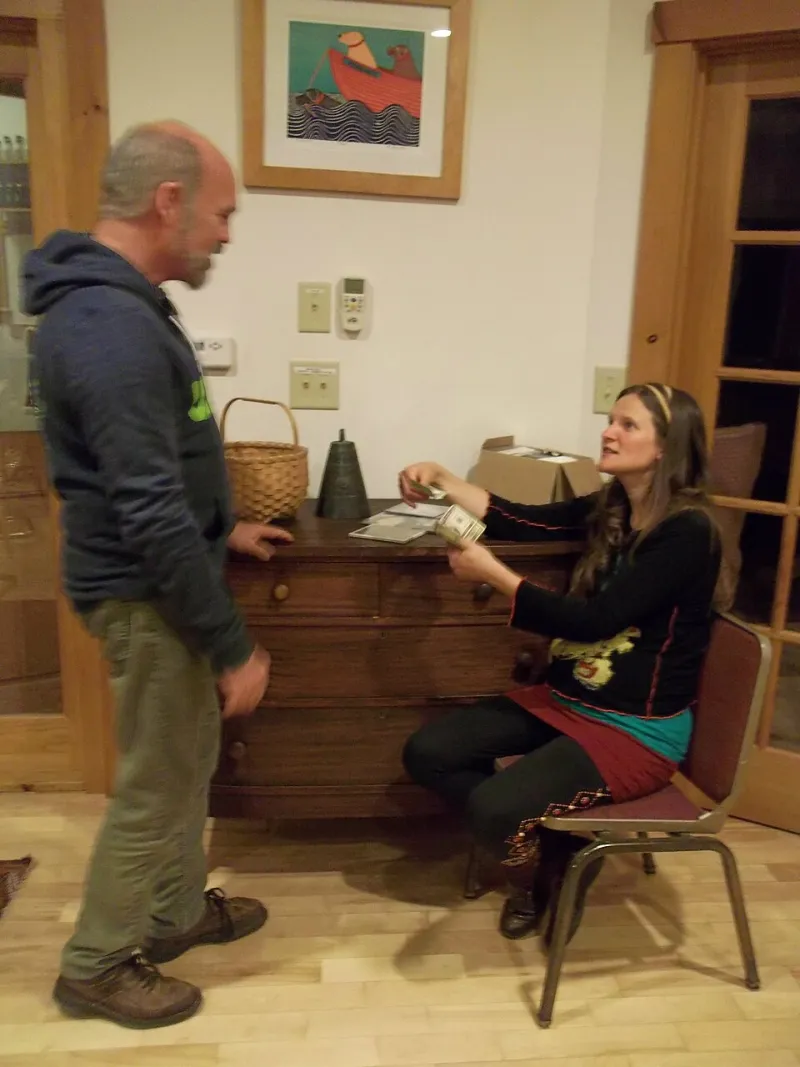
For a growing number of performers, the merch table is no longer the awkward business side of the show. It is where the performance continues, the personal brand gets built, and the fan relationship gets tested in public.
Somewhere between the bot takeover and the platinum-tier upsell, going to a show started to feel like a financial transaction instead of a shared night out. If only the wealthy can afford the front row, what happens to the crowd that makes live music live?
The house lights go down, the crowd stretches, and the lobby bar makes a small fortune. But backstage, the intermission window is a pressure cooker of quick changes, cold sweat, and clock-watching. We talked to the people who live in those fifteen minutes.
From a honky-tonk with holes in the floor to a Brooklyn church that traded pews for a mixing board, these venues didn't just host American performances — they invented the way we experience them. Here's our love letter to the rooms themselves.
Every performer reaches a fork in the road — keep giving audiences what they want, or start giving them something real. For these eight artists across music, theater, comedy, and spoken word, that crossroads arrived in a single, specific moment. Here's what they said, what they feared, and how everything shifted when they finally stopped performing for approval and started performing from truth.
There's a reason your favorite artist keeps releasing songs that sound exactly like their biggest hit — and it's not laziness. A complex mix of commercial pressure, fan expectation, and neurological reward loops quietly traps even the most creatively restless performers in a loop they never signed up for. We went deep on why breaking that cycle is harder than it looks.
Somewhere between the algorithm and the applause, we lost the plot on what a legitimate career launch actually looks like. The pressure to go viral before you go anywhere has created a false standard that's quietly punishing the kind of patient, unglamorous career-building that used to be the whole point. It's time to say that out loud.
Getting your big moment is supposed to feel like the finish line. For a lot of performers, it turns out to be the starting gun for something far more complicated. We talked to artists navigating the strange, quiet terror of having actually made it.
Reinvention gets a lot of credit in the entertainment world, but the harder trick — and honestly the more impressive one — is evolving without abandoning what made you worth watching in the first place. These seven performers pulled it off.
Between backstage TikToks, Discord fan servers, and artists who text their fans directly, 'connection' between performers and audiences has never been more available. Whether any of it is real is a more complicated question than the industry wants to admit.
Every established performer eventually faces the same quiet crisis: how do you keep creating when your audience already decided what you are? This is a look at the psychological weight of living up to a legacy you built yourself — and how the artists who survive it learn to make peace with their own mythology.
Forget the dramatic press tour and the nostalgic greatest-hits record. The artists making the most interesting career resurgences right now are doing it on their own terms — through genre experiments, unexpected team-ups, and platforms that didn't exist a decade ago. Here are five performers who rewrote the comeback playbook entirely.
Something odd is happening at live shows these days — audiences of 50,000 are walking away feeling like they just had a private conversation with their favorite artist. We dug into the psychology, the tech, and the intentional choices performers are making to shrink the emotional distance between the stage and the nosebleed seats.
Something shifted in the entertainment world, and audiences felt it before critics could name it. The most compelling performers today aren't hiding behind perfection — they're walking onstage with their scars showing. Here's why emotional honesty has become the most powerful tool in any artist's arsenal.
What separates a great performance from an unforgettable one? Often, it's everything the audience doesn't see — the grief, the obsession, the near-collapse, and the quiet breakthroughs that happened long before the curtain rose. We went digging into the hidden histories behind some of the most iconic moments in American performance history.
Going viral is easy. Staying relevant is an entirely different skill set. These ten performers cracked the code on turning a single explosive moment into something that actually lasts — and what they did in the weeks and months after that first wave of attention is the real story worth telling.
Every performer faces a moment when the spotlight fades and the crowd moves on. But for those who find a way back, the second act often turns out to be the most compelling story they've ever told. We talked to artists, coaches, and industry insiders about what a real comeback actually looks like from the inside.