The $400 Seat Problem: What Dynamic Pricing Is Doing to the Artist-Fan Relationship
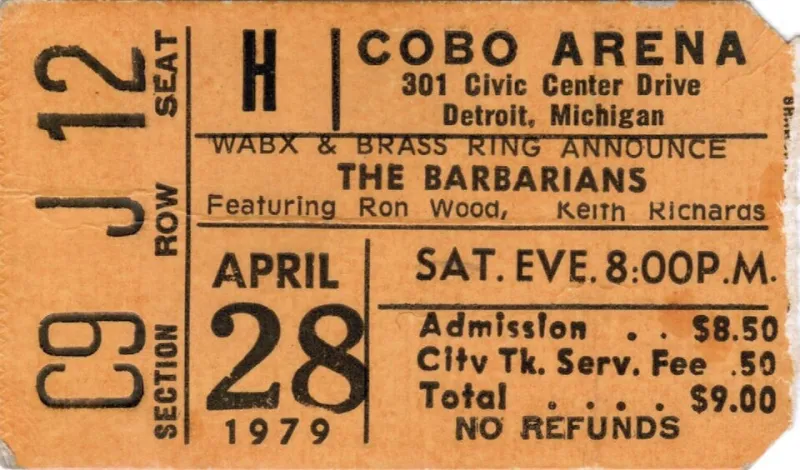
Photo: LJA123, CC BY-SA 4.0, via Wikimedia Commons
There's a particular kind of heartbreak that happens on a Tuesday night at 10:02 AM, when the tickets go on sale, the queue finally loads, and the front row — the front row you've been dreaming about since the album dropped — is listed at $412 before fees.
If you've lived this, you already know the question isn't whether ticket prices are high. It's whether the thing we're buying is still the same thing.
The Great Resale Migration
For most of live entertainment's history, the deal was simple: the artist set a fair price, the fan paid it, and the show happened. Scalpers existed, but they were a nuisance, not an industry. Then came the bots, the verified-resale marketplaces, and the rise of dynamic pricing — the airline-style model where ticket prices float with demand in real time.
The result is a system where the person in seat A1 might have paid face value, or four times face value, or might not even like the artist at all. The room is the same. The people in it are not.
Who's Actually in the Building?
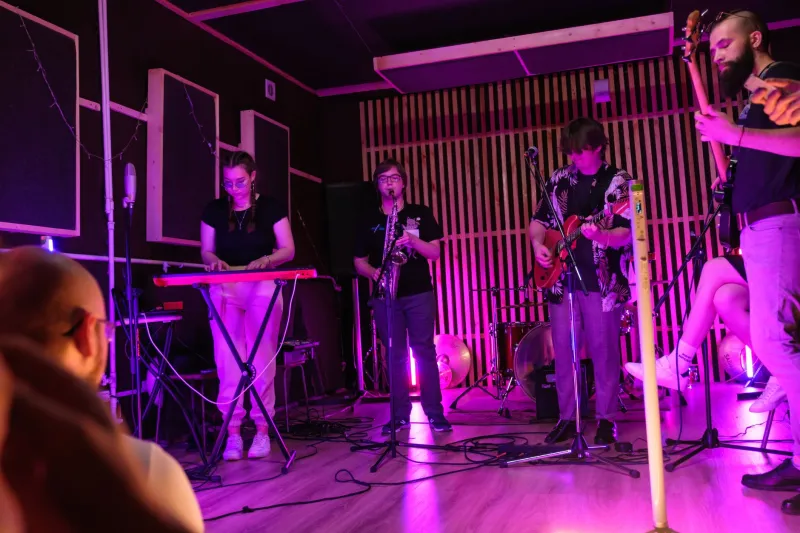
Here's the part that should worry artists more than fans: a crowd changes based on how it was assembled. A floor full of people who saved up for months brings a different energy than a floor full of corporate VIP packages. Neither crowd is better, but they're different — and the performer feels it from the stage whether they can articulate it or not.
Some artists have pushed back. We've seen tours cap resale prices, use verified-fan systems, and publicly rage at their own ticketing partners. But the structural math is hard to beat: when a $90 ticket resells for $350, someone is capturing that $260, and it's rarely the artist or the fan.
Is the Nosebleed Still 'Being There'?
Which brings us to the uncomfortable question at the center of it all: if you're watching from the last row of the upper deck, or from a livestream pay-per-view, does it still count?
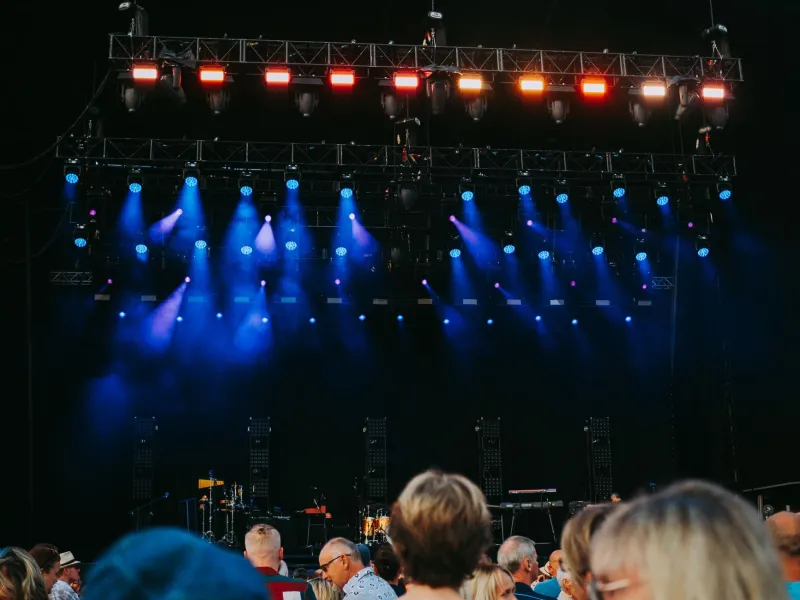
I'd argue yes — with a caveat. Live performance has never really been about sightlines. It's about synchrony. Two thousand people gasping at the same moment, laughing at the same aside, holding their breath through the same guitar solo. That happens at every price point. The nosebleeds have always had the best view of the crowd, anyway.
The caveat: synchrony requires presence. If ticket prices push people out of rooms entirely — if a generation grows up experiencing live shows primarily through vertical phone footage — the ecosystem loses something no pricing algorithm can price back in.
What Would Fix It
Nothing simple, honestly. But the outlines exist: all-in pricing displayed up front (a reform that's finally gaining legal traction in the U.S.), artist-controlled resale caps, and a cultural shift where fans treat the face-value market as the only legitimate one. A few artists are experimenting with flat, no-dynamic pricing and eating the lost revenue as a marketing expense. It's a start.
Until then, the emotional contract between performer and audience keeps quietly renegotiating itself — one $400 seat at a time. And the thing about contracts: both sides have to believe they got a fair deal, or eventually, nobody shows up.