Too Close for Comfort: Are We Getting More Connected to Performers or Just Better at Pretending We Are?
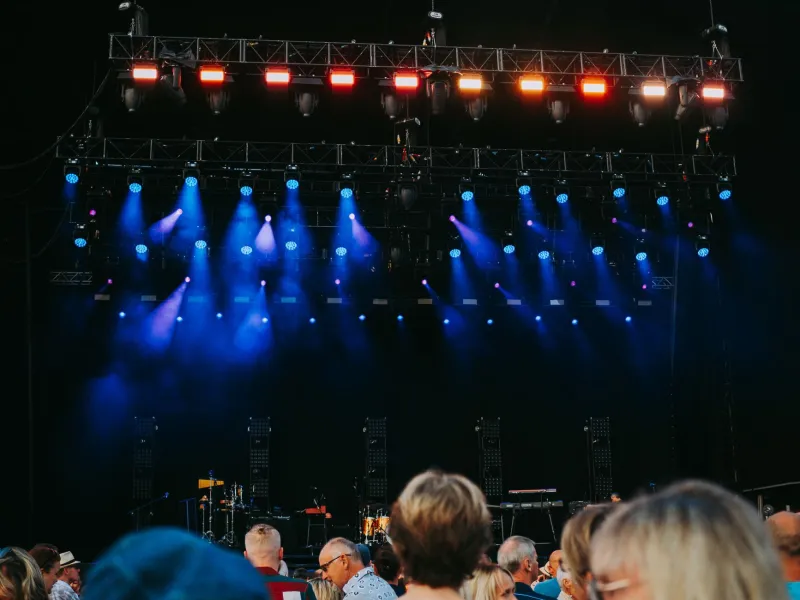
Something happened at a concert a few years back that I keep thinking about. The artist — a mid-size indie act with a devoted following — stopped mid-set and told the crowd she'd been reading their comments all week. She named specific usernames. People screamed. The energy in the room shifted into something that felt almost unbearably intimate for a venue that held two thousand people.
It was genuinely moving. It was also, if I'm being honest, a little strange.
Because those people hadn't actually talked to her. She'd read their names off a screen. They'd sent messages into a feed that runs constantly, algorithmically curated, never quite certain who's on the other end. And yet in that moment, the feeling in the room was one of profound mutual recognition. Two thousand people felt personally seen.
That's the thing about modern performer-audience connection. It's real and it isn't. Both things are true at the same time, and the entertainment industry — including the artists themselves — is still figuring out what to do with that.
The Access Economy
The shift started well before social media, but the platforms accelerated it dramatically. When artists began showing up on Instagram, Twitter, and eventually TikTok as themselves — not through publicists, not in polished magazine profiles, but in real-time, unfiltered, often un-makeup'd — the contract between performer and audience changed.
The old model was built on distance. The mystique of a major artist depended on scarcity of access. You saw them on stage, maybe on TV, maybe in a carefully managed interview. The gap between their world and yours was part of the appeal. The inaccessibility was the point.
Now, that gap has been largely demolished. Artists post from their kitchens. They share their anxieties in voice memos. They reply to fan comments. Some of them, through platforms like Community or text-based subscription services, literally send messages directly to fans' phones. The access is real. The question is what it means.
Parasocial Relationships: Feature or Bug?
Psychologists have studied parasocial relationships — the one-sided emotional bonds people form with public figures — for decades. What's changed recently isn't the phenomenon itself but the intensity and the plausibility of it.
When you could only see a performer on stage or screen, the parasocial element was pretty obvious. You knew, on some level, that you didn't actually know them. The relationship was clearly mediated by performance.
Now, when you've watched someone make coffee on their Stories every morning for two years, heard them talk about their therapist and their bad dates and their creative blocks, and maybe even gotten a reply to a comment you left — the line is genuinely blurry. It feels like knowing someone. Neurologically, some researchers argue, it might even register that way.
For fans, this can be enormously meaningful. For performers, it creates an obligation that didn't exist before: the obligation to keep being knowable. To keep feeding the intimacy machine. Which raises an uncomfortable question about what happens to the work when the relationship becomes the product.
What Gets Lost in the Closeness
Here's where I want to push back a little on the prevailing enthusiasm for hyper-connected performer-audience relationships.
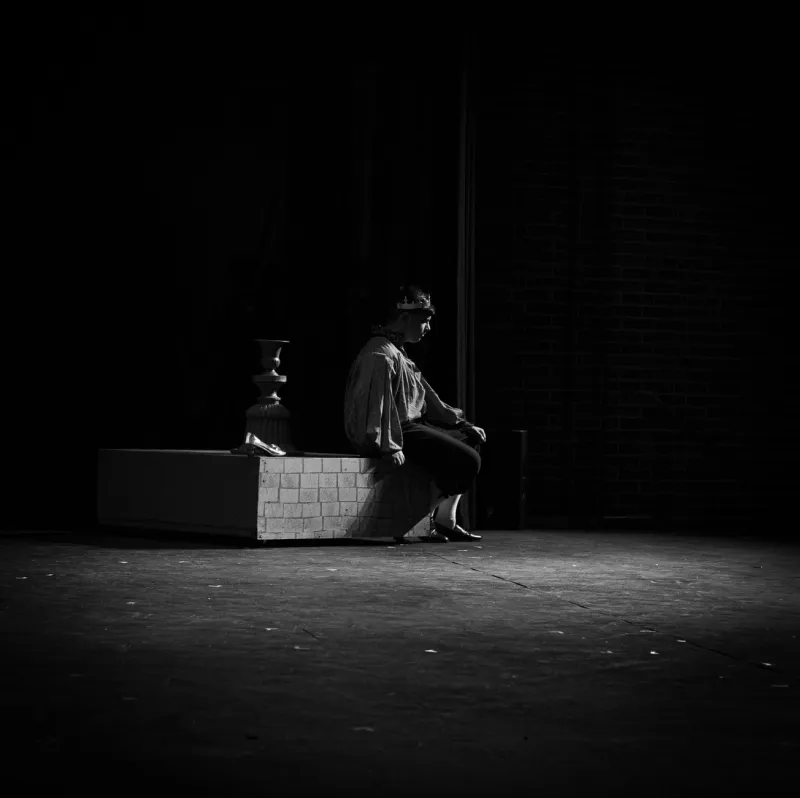
Traditional stagecraft — the kind that predates social media by centuries — was built on a certain kind of productive distance. The performer and the audience occupied different spaces, different registers. The performer was transformed by the ritual of performance into something more than their everyday self. The audience was invited to witness something that existed outside normal time and space.
That transformation is harder to maintain when the audience has been watching you make toast.
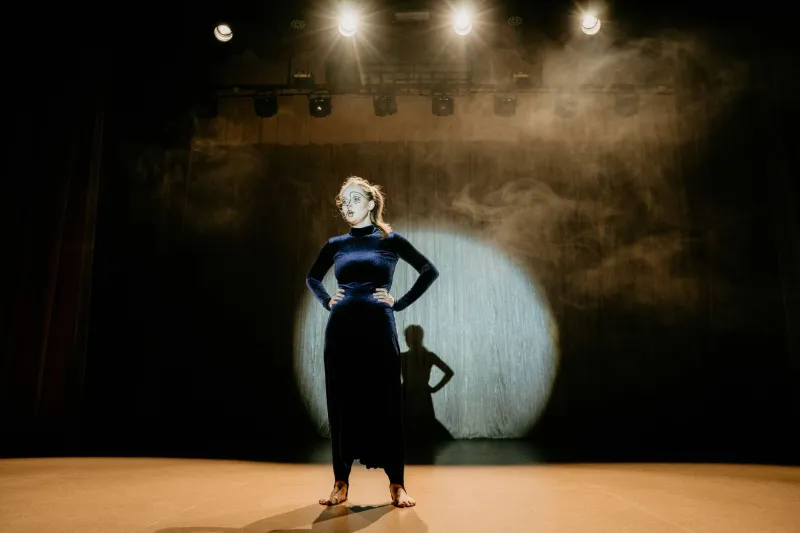
There's a reason the greatest theatrical and musical experiences tend to feel transcendent — like they're lifting you out of your ordinary life rather than just extending it. That transcendence depends on the performer occupying a different plane, at least temporarily. When we've already seen every angle of their ordinary life, the extraordinary becomes harder to sustain.
Some artists seem to understand this instinctively. Beyoncé, famously, maintains a degree of personal opacity that feels almost aggressive in the current climate. And the effect, when she performs, is that the stage still feels like a genuinely different world. The distance is doing work.
The Case for the New Closeness
That said, there's something real and valuable happening in the shift, and it would be dishonest to dismiss it entirely.
For a lot of fans — particularly those who've historically felt excluded from mainstream entertainment culture — the accessibility of contemporary performers is legitimately meaningful. When an artist is candid about mental health struggles, or about navigating identity, or about the messy reality of creative work, that honesty creates connection that extends beyond the performance itself. It says: you're not alone in this, and neither am I.
There's also an argument that the behind-the-scenes access, when it's done thoughtfully, can actually deepen the experience of the live show rather than diluting it. When you've seen the rehearsal footage, you understand what you're watching differently. The craft becomes visible. The investment is legible.
The problem isn't connection. The problem is when the simulation of connection is mistaken for the real thing — by audiences and, sometimes, by artists.
Where This Leaves Us
The best performers working today seem to have found a personal answer to this tension, even if they haven't articulated it explicitly. They're present and accessible in ways that feel genuine, but they also understand that the stage is a different kind of space — one that deserves its own rules.
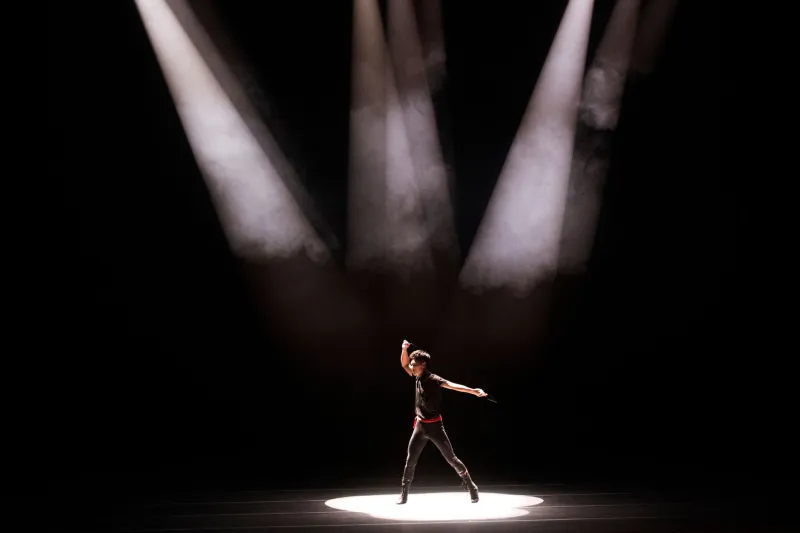
The concert hall, the comedy club, the theater — these aren't just venues. They're containers for a specific kind of experience that social media, for all its connective power, can't fully replicate. The live moment, the shared breath of an audience, the performer giving everything in real time to a room full of strangers — that's still something. Maybe it's still the main thing.
At Abramov Show, we talk a lot about performances that tell stories. The most powerful stories aren't the ones where you already know everything about the teller. They're the ones that reveal something you couldn't have gotten any other way — something that could only happen in that room, on that night, between that performer and that audience.
Maybe the intimacy we actually need from live performance isn't the kind you can scroll through. Maybe it's the kind that only exists when the lights go down and something unpredictable happens in the space between the stage and the crowd.
You can't follow that on Instagram. And that might be exactly why it still matters.