When You're Competing Against Your Own Greatest Hits
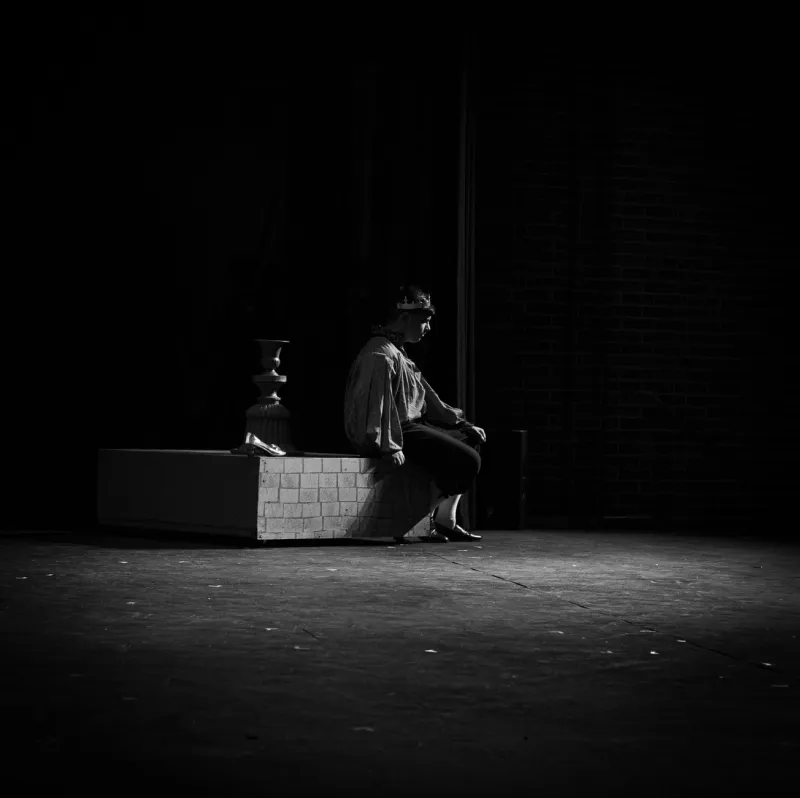
There's a particular kind of pressure that nobody really prepares you for on the way up. It's not the pressure of breaking through, or of proving yourself, or of surviving a bad review. Those are hard, but they're clean. They have clear opponents.
The pressure I'm talking about is murkier. It's the pressure of having already done something great — and knowing that every room you walk into, every project you release, every performance you give will be measured against that thing. Not by critics, necessarily. By the people who love you most.
It's the pressure of competing with yourself. And for a lot of established performers, it's the hardest competition they'll ever face.
The Mythology Problem
Here's how it usually starts: an artist does something that resonates deeply. A record, a role, a performance. It gets talked about, written about, shared and reshared until it takes on a life beyond the original work. The artist becomes associated with it — not just as the person who made it, but as the embodiment of whatever it represented.
At first, that's thrilling. It's the whole point, in some ways. You made something that mattered to people. What could be better?
But mythology has a funny relationship with time. It freezes. The work stays exactly as it was the day it landed — perfect, crystallized, complete. The artist, meanwhile, keeps moving. They age. They change. Their interests shift, their voice deepens or lightens, their relationship to their own craft evolves in ways that are impossible to fully explain and even harder to justify to an audience that has already decided who you are.
The mythology doesn't update. And the gap between who you were and who you're becoming is where a lot of the psychological tension lives.
The Authenticity Trap
One of the most common responses to this tension is what I'd call the authenticity trap: the performer doubles down on what made them famous, producing work that's technically accomplished but emotionally hollow because it's being made in service of an image rather than genuine creative impulse.
Audiences can almost always feel this, even when they can't articulate it. There's a flatness to work that's been made to confirm expectations rather than challenge them. It satisfies in the short term — it's familiar, it's comfortable — but it doesn't stick. It doesn't generate the kind of devotion that the original work did, because it lacks the thing that made the original work matter: the sense that the artist was fully present, fully committed, fully themselves in the making of it.
The trap closes tighter with each cycle. The performer makes safe work, the audience responds warmly but not passionately, the performer interprets that warmth as validation and makes more safe work. Eventually they look up and realize they've been making the same thing for a decade.
What the Brave Ones Do Instead
The performers who navigate this most successfully tend to share a counterintuitive quality: they're genuinely curious about disappointing their audience.
Not maliciously. Not provocatively. But they've made peace with the possibility that the next thing they make won't be what their most devoted fans wanted — and they've decided to make it anyway, because the alternative is creative stagnation dressed up as loyalty.
This requires a specific kind of internal clarity. You have to know the difference between evolution that comes from genuine artistic hunger and evolution that's just novelty for its own sake. The former is sustainable. The latter is a different kind of trap.
The clearest signal that an artist is operating from genuine creative instinct rather than brand anxiety? They can explain what drew them to the new direction in terms of feeling and curiosity, not strategy. "I wanted to see what would happen" is a better foundation than "I needed to shake things up."
The Weight of the Room
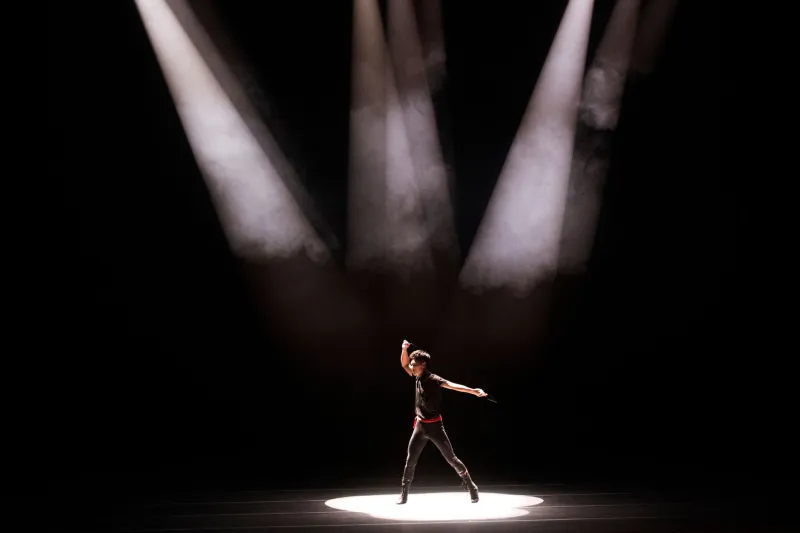
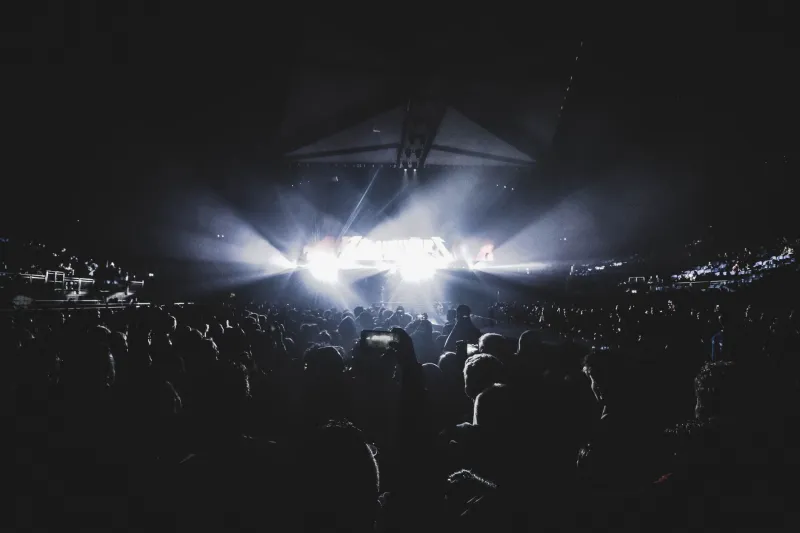
There's also the physical reality of performance to reckon with. When you step onto a stage and a crowd of thousands starts screaming the moment they hear the opening notes of a song you wrote fifteen years ago — that is a genuinely overwhelming experience. It's love, real and enormous. And it's also, in a subtle way, a demand.
Many performers describe the moment of choosing a setlist as one of the most politically and emotionally complex decisions of their professional lives. How much do you give people what they came for? How much do you insist on showing them who you are now? Is it generous or dishonest to spend an entire evening in the past?
There's no clean answer. The performers who seem most at peace with it have found a way to frame the old material not as a cage but as a conversation — a chance to revisit something they made and find new meaning in it from where they're standing now. The song doesn't have to be a museum piece. It can be a live thing that grows with you.
Deciding When to Hold and When to Let Go
Perhaps the most honest thing you can say about this particular pressure is that it never fully resolves. There's no moment where an established performer wakes up and finds the tension has dissolved, where the mythology and the present self have merged into something comfortable and complete.
What changes, for the ones who last, is their relationship to the tension itself. They stop treating it as a problem to be solved and start treating it as a condition of the work — something to be navigated thoughtfully, show by show, project by project.
They learn to hold two things at once: deep gratitude for what they built and genuine curiosity about what comes next. They honor the legend without becoming its prisoner.
And on the best nights — the nights when the old songs feel new and the new songs feel inevitable — you can see that balance in real time. The stage isn't a museum. It's a conversation between who they were and who they're still becoming.
That's the show nobody sees on the way in. But it's the one worth watching.