No Encore, No Filler: The Case for the 75-Minute Concert
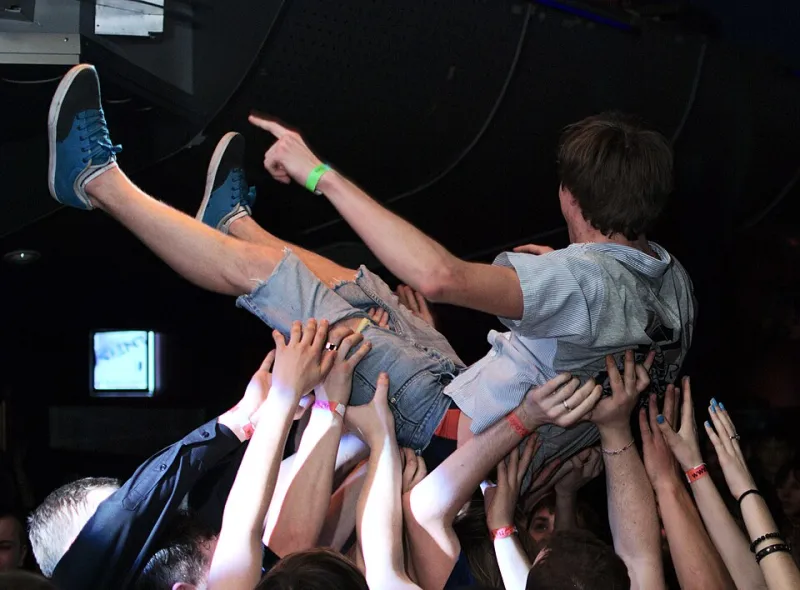
Photo: Бурнайкин Максим, CC BY 3.0, via Wikimedia Commons
Leaving a show early is usually a failure of stamina or transit. Leaving a show after 75 minutes and feeling like the story ended exactly when it should have is something else. That feeling is becoming more common on the US touring circuit, and it is making people argue about what a concert ticket is supposed to buy.
The shorter headline set is not a new idea. Punk bands have done it for decades. Festival sets are built around it. But in 2026, more theater and arena acts are trimming the fat, cutting the fake encore, and treating 70 to 80 minutes as a complete artistic statement rather than a rushed version of a two-hour show. Fans are not entirely sure how to feel about it.
The Seventy-Five-Minute Feeling
A tight 75-minute set can feel like a short story: one arc, no detours, a clear ending. When it works, you do not check your phone. You do not wonder when the hit is coming. You do not watch the clock. You watch the performer make decisions.
The appeal for artists is obvious. Touring costs are high. Crew, trucks, venues, and travel all take a bigger bite than they did a few years ago. Voices and bodies need recovery. Attention is fragmented. A lean show can be easier to tour, easier to keep sharp, and easier to make memorable.
There is also a creative argument. Not every catalog needs two hours. Not every audience needs a victory lap. The encore has become a ritual so predictable that some performers have started skipping it entirely. They play the last song, say goodnight, and leave. No waiting. No fake walk-off. No second bow for a room that already knows the setlist.
The Case for Less
A shorter show can be more honest because it asks the artist to choose. What belongs? What gets cut? What does the audience actually need to hear? When a set is padded with covers, jams, or a long story that goes nowhere, length starts to look less like generosity and more like habit.
It can also be a healthier model. Performers are people with throats, knees, and nervous systems. A 75-minute show that leaves them able to do it again tomorrow may be better for everyone than a two-hour endurance test that turns the tour into a medical event. Fans do not benefit from an artist burning out by week three.
And there is the question of value. A concert ticket is not priced by the minute. It is priced by demand, production, venue, and the market. A 75-minute show with a great band, sharp sound, and a real point of view can be worth more than a bloated two-hour set with video interludes and a costume change that kills the momentum.
Where Short Goes Wrong
None of this lets a short show off the hook. If tickets are expensive, fees are high, and the set feels like a soundcheck with hits, fans have a right to be annoyed. The 2024 Olivia Rodrigo Guts World Tour and the 2024–25 Sabrina Carpenter Short n' Sweet run both generated plenty of online chatter about set lengths, even as audiences filled arenas. The debate is not really about minutes. It is about whether the show feels complete.
A short set fails when it feels like a long set with pieces missing. It fails when the artist hides behind backing tracks, when the pacing is flat, or when the encore is replaced by an awkward goodbye that leaves the room unsure if it is over. It fails when the ticket price suggests a full night and the show delivers a brisk appointment.
A Healthier Contract
A better model might be a clearer contract. Tell fans what they are getting. Build a show with a beginning, middle, and end. Skip the fake encore if it does not serve the night. Use the money and energy saved to make the 75 minutes feel deliberate. Maybe that means better production, a stronger opener, or a second night in the same city instead of one long haul through a region.
Some artists are already doing this by turning tours into residencies, playing multiple nights in one market, and letting each set be tighter and more specific. That model can be better for fans who want a real night out and better for performers who want a sustainable career. It also makes the short show feel like a choice, not a cutback.
The 75-minute concert is not automatically honest. It is honest when it is built with intention. A short show can be a rip-off or a revelation. The difference is whether the performer treats the time as a budget to protect or a story to tell. Fans can feel that difference in the room. They usually can.