Fifteen Minutes of Controlled Chaos: The Secret Lives of Performers at Halftime

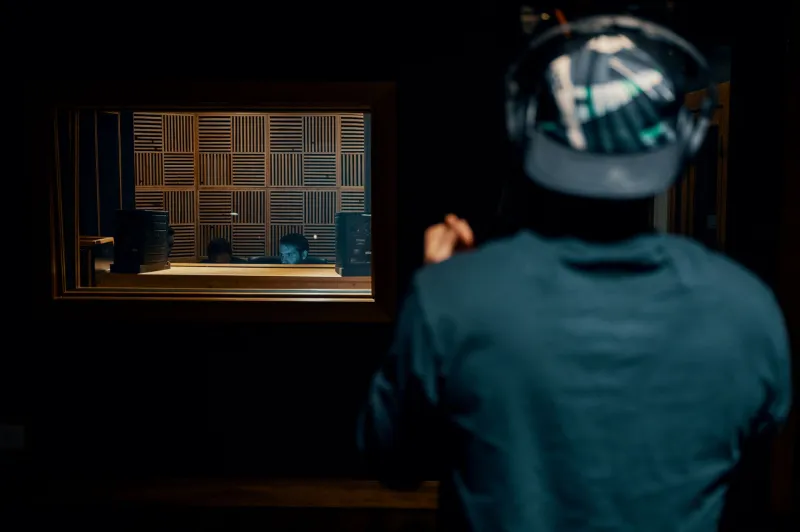
Photo: theater backstage quick change costume performer dark wings, via 1.bp.blogspot.com
Here's what the audience thinks intermission is: a bathroom line, a lukewarm beer, a scroll through the program. Here's what intermission actually is for the people on stage: the most dangerous quarter-hour in live entertainment.
The Clock Starts Before the Curtain Falls
"People assume the timer starts when the curtain drops," says Marisol Vega, a quick-change specialist who has worked tours across the U.S. for over a decade. "It doesn't. It starts two numbers before. You're already stripped down to your base layer, already standing in the dark, already breathing through your mouth so you don't sweat through the next costume."
Vega has executed changes in under 40 seconds — boots, corset, wig, the works. "You don't think during a quick change. Thinking is for rehearsal. In the moment, your hands just know. The second they start knowing something different, that's when you get hurt."
The Breakdown Nobody Films
Not every backstage moment is choreography. Several performers we spoke to — who asked to remain unnamed — described the intermission as the one place a performer is allowed to fall apart. One Broadway veteran called it "the emotional airlock. You spend act one holding it together, and if you cracked, this is where you crack. Then you seal it back up and walk out for act two like nothing happened."
A stagehand with twenty years on touring arena shows put it more bluntly: "You see a lot of people crying in hallways at 8:47 PM. You learn not to make eye contact. You also learn to hand them a water bottle without being asked."
Rituals, Superstitions, and One Very Specific Banana
The rituals are real, and they are weirdly specific. A stand-up comic who regularly plays 2,000-seat theaters told us he has to re-tie his left shoe during every break. "Not the right one. Just the left. If I skip it, I flub the back half of my set. I don't believe in it. I also never skip it."
An opera singer we interviewed keeps a room-temperature banana in her dressing room at every house she plays, from the Kennedy Center to a regional stage in Des Moines. "It's not nutrition at that point. It's a talisman."
What the Crew Is Doing While You're in Line for the Bathroom
Meanwhile, the stage is being transformed. In a large musical, the intermission crew might reset an entire set: flying in scenery, re-dressing props, vacuuming glass from a stunt that went slightly sideways in act one. A veteran carpenter on a national tour described it as "a pit stop where the car is also on fire, emotionally."
Every second is choreographed down to the breath. One missed cue in the intermission ballet — a heavy piece of scenery not flown in on time — and act two opens late, and the whole night feels off.
Why It Matters
There's a reason the intermission exists, beyond beer sales and bladder management. It's a pressure valve for everyone: audience and performers alike. It lets a story breathe and lets a performer reset. But the people who work that window want you to know one thing: it isn't a pause.
"It's the show inside the show," Vega says. "You just don't get to see it. And honestly? That's probably for the best."
So next time the lights come up and you're debating whether to brave the merch line, spare a thought for the person currently being sewn into a different human being in the dark, twenty feet from where you're standing. The show doesn't stop during intermission. It just changes who's performing.