Stuck on Repeat: The Psychological Pull That Keeps Performers Playing It Safe
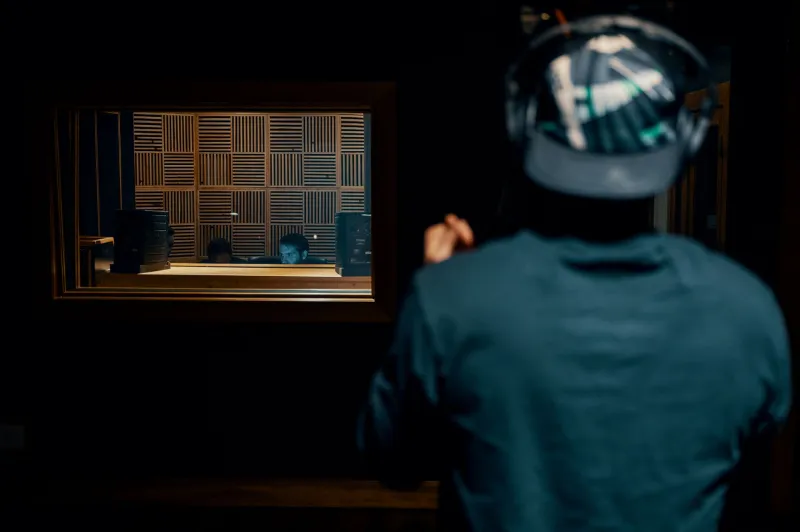
Picture this: a performer finally cracks through. The song lands, the tour sells out, the streaming numbers go vertical. It's everything they worked for. And then, almost immediately, the pressure starts — quiet at first, then deafening. Do it again. Do it exactly like that. Don't mess with what works.
It sounds like a business decision. But spend any time talking to music psychologists or the artists navigating this pressure firsthand, and a different picture emerges. The encore trap — that pull to keep chasing the same emotional high with the same sonic formula — is as much about brain chemistry as it is about record label spreadsheets.
Why the Brain Loves a Proven Hit
Dr. Leah Simmons, a music psychologist who has consulted with emerging artists transitioning from indie circuits to major label deals, puts it plainly: "The dopamine response performers get from crowd validation is genuinely addictive. When a specific sound or style generates that response reliably, the brain starts associating the formula with the reward — not the creative act itself."
That's a subtle but devastating distinction. The joy of making something new gets quietly replaced by the comfort of repeating something that already worked. And for performers whose livelihoods depend on audience approval, the stakes make that neurological loop even harder to break.
This isn't a fringe phenomenon. Think about how many artists in country music, pop, and even hip-hop have spent entire second and third acts releasing music that sounds like a slightly shinier version of their breakout album. The fans show up. The numbers are decent. And the artist quietly dies inside.
The Commercial Machine That Rewards Sameness
The industry doesn't exactly help. Labels, booking agencies, and streaming platform algorithms all have financial incentives to push performers toward what's already proven. Spotify's recommendation engine, for instance, is built to surface music similar to what a listener already enjoys — which means genuinely different artistic output from an established name can actually get less algorithmic support than a sonic retread would.
"There's a weird paradox where the platform that's supposed to discover new music actually punishes evolution," says one independent A&R consultant who asked to remain anonymous. "If an artist's catalog trains the algorithm one way and they pivot hard, they're essentially starting over with the machine. Most managers won't let that happen."
And then there's the fan contract — that unspoken agreement between performer and audience that says: you gave me something that felt like mine, and I need you to keep giving me that. Fans aren't villains in this story. They're just human. But their emotional ownership of an artist's sound creates a very real social pressure that can feel as binding as any contract clause.
The Artists Who Escaped — and the Ones Who Didn't
Not everyone gets swallowed by the loop. Some performers have managed to pull off genuine reinvention without losing the thread of who they are.
Taylor Swift's genre pivots — from country to synth-pop to indie folk — are the obvious case study. But what's less discussed is how deliberately she managed the narrative around each shift, giving fans a story to hold onto even when the sound changed dramatically. The reinvention felt earned because she made it legible.
Contrast that with performers who attempted pivots without that narrative scaffolding. When an established rock act suddenly drops an EDM album with no runway, no context, and no apparent creative throughline, audiences don't just reject the music — they feel confused and a little betrayed. The pivot fails not because the music is bad, but because the story wasn't told.
Then there are the cautionary cases — artists who stayed so locked into their signature that the work became a parody of itself. When every album sounds like a slightly worse version of the one that made you famous, audiences eventually drift anyway. The safety of sameness turns out to be an illusion.
What Separates the Risk-Takers
So what does it actually take to break the cycle? According to Dr. Simmons, the performers who successfully evolve share a few consistent traits. First, they've developed what she calls "identity separation" — the ability to distinguish between who they are and what made them famous. Those aren't always the same thing.
Second, they tend to have at least one relationship — a collaborator, a manager, a creative partner — who is explicitly not invested in the existing formula. "You need someone in the room who isn't afraid of the old version of you," she says.
And third — maybe most importantly — they've made peace with the possibility of a smaller audience on the other side of the leap. That's the real ask. Not just creative courage, but financial and ego courage too.
The Cost of Playing It Safe
Here's the thing nobody in the industry likes to say out loud: playing it safe has its own expiration date. Audiences are perceptive. They can feel when a performer is going through the motions, when the fire that made the original work great has been replaced by professionalism and muscle memory.
The encore trap doesn't just limit artistic growth — it slowly erodes the authentic connection that made audiences fall in love with a performer in the first place. And once that connection feels hollow, no amount of sonic familiarity brings it back.
The performers who last — really last, the ones whose careers span decades and still feel alive — are almost never the ones who perfected their formula and stuck with it. They're the ones who stayed curious enough to risk being wrong.
That's not a comfortable truth. But it might be the most important one in the business.