The Booth Is Part of the Set: How Performers Turned Merch Into a Second Stage
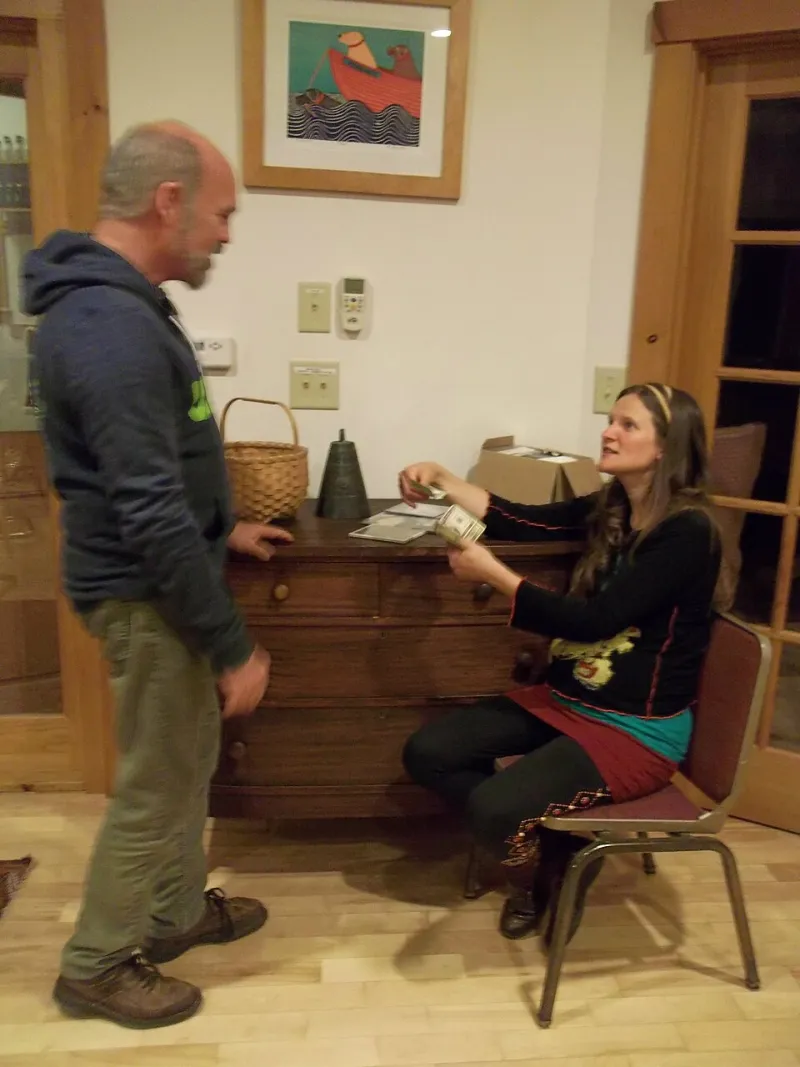
Photo: Artaxerxes, CC BY-SA 4.0, via Wikimedia Commons
At a 300-cap room in Philadelphia this fall, the line for the merch table formed before the headliner finished the second song. By the time the lights came up, the singer was not backstage with a towel around their neck. They were behind a folding table, signing a tour poster, explaining a jacket's sizing, and pointing a fan toward a QR code for a stripped-down live EP. The performance had ended. The booth had not.
That scene is less unusual every month. For a growing number of performers, merch, memberships, and direct-to-fan sales are not the awkward business side of art. They are part of the art's public life — a second stage with its own lighting, pacing, and emotional stakes. The table is where the show keeps going.
The Booth Is Part of the Show
The old model was simple enough: play the set, walk off, let the venue staff handle the T-shirts. The new model looks more like a small business opening a pop-up shop in the lobby. Artists are designing capsules around specific songs, writing newsletters that read like liner notes, selling limited vinyl through their own stores, and treating Discord servers or membership tiers as extensions of the creative world.
That shift is partly economic. Touring costs in the US have climbed, streaming pays fractions of what a CD sale once did, and social platforms reward constant presence. But the more interesting change is creative. Performers are building merch and memberships that carry the same voice as their music. A hoodie is not just a logo slapped on cotton. It is a piece of the story. A monthly membership is not just a tip jar. It is a backstage pass with boundaries.
From Afterthought to Business Plan
The performers who do this well tend to share a few habits. They keep the table human. They price at least some items like they remember what it costs to be a fan. They explain what the money supports — a tour van, a recording fund, a crew — without turning the checkout line into a pledge drive. And they make the free stuff good, too. The newsletter, the behind-the-scenes clip, the setlist post: those are not leftovers. They are the front door.
There is also a practical honesty to it. When an artist sells direct, they can see what fans actually want. A live album that moves. A hat that sells out in three cities. A membership tier that people join after a specific song. That feedback loop can make the creative business feel less like guesswork and more like a conversation.
What Fans Actually Buy
Fans are not only buying objects. They are buying a way to stay inside the performance after the house lights come up. A signed poster is a souvenir. A membership that includes demos and voice notes is a relationship with the work. A limited shirt designed by the artist is a signal that you were there for a particular chapter, not just the greatest-hits era.
That can be genuinely meaningful. It can also get expensive. The line between connection and commerce gets blurry fast when access is tiered, when the best extras sit behind a paywall, and when every message from the artist seems to end with a store link. Fans can feel less like collaborators and more like subscribers to a person.
The healthiest versions of this model tend to keep some doors open for free. They let the music and the public moments breathe. They do not make intimacy a product tier. They understand that loyalty is built by giving people something to belong to, not by charging admission to every room.
The Test
The merch table is not automatically a sellout or a sacred space. It is a stage, and like any stage, it reveals what the performer wants from the audience. Some artists use it to extend the world of the show. Others use it to squeeze the last dollar out of the night. Fans are good at telling the difference.
What seems clear in 2026 is that the booth is no longer a footnote. It is where the personal brand becomes visible, where the business plan meets the artistic identity, and where the artist-fan relationship gets renegotiated one transaction at a time. The performance may end at the last chorus. The story keeps going at the table.